
Hex Nut and Bolts
Hex nuts and bolts are essential components in various construction, manufacturing, and assembly applications. They form threaded connections that securely hold parts together. Here’s an explanation of hex nuts and bolts:
Hex Bolts:
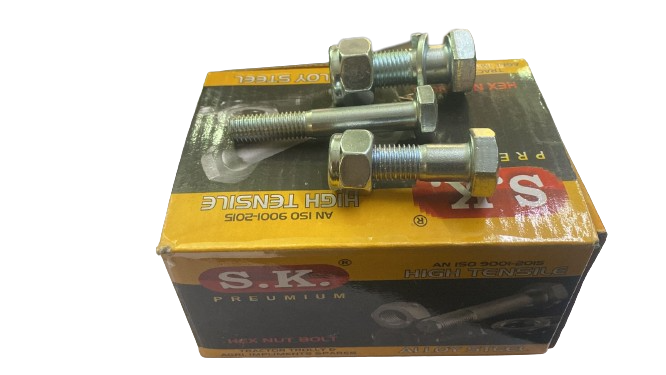
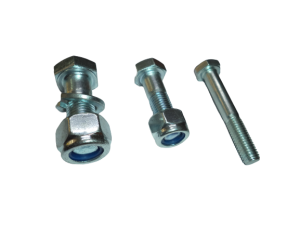
A hex bolt, also known as a hexagon head bolt or a hex cap screw, is a threaded fastener with a hexagonal head. The head of the bolt is typically larger and thicker than the threaded shank, and it’s designed to be tightened or loosened using a wrench or socket. The hexagonal shape of the head provides six flat sides, allowing for easy gripping and turning.
Hex Nuts:
A hex nut, also called a hexagon nut or a six-sided nut, is a threaded fastener with six flat sides. The internal threading of the nut matches the external threading of a bolt. When you place a hex nut onto the threaded end of a bolt and tighten it, the threads engage and create a secure connection.
How Hex Bolts and Nuts Work Together:
Threaded Connection: The threaded shank of the hex bolt is inserted into a hole or tapped hole in one object. The length of the threaded portion can vary based on the application.
Securing: To secure the bolt in place, a hex nut is threaded onto the exposed end of the bolt. The nut is tightened by turning it clockwise, which causes the threads of the bolt and nut to engage.
Tightening: As the nut is tightened onto the bolt, it applies axial force, pulling the objects being fastened closer together. The friction between the threads provides resistance, preventing the nut from loosening due to vibrations or movement.
Tools: Common tools used to tighten hex nuts and bolts include wrenches and socket sets. The flat sides of the hex head and nut allow for a firm grip, making it easier to apply torque.
Variations:
Materials: Hex bolts and nuts are available in various materials, such as steel, stainless steel, brass, and more, each with different levels of strength, corrosion resistance, and suitability for specific environments.
Types: There are various types of hex bolts, including fully threaded bolts, partially threaded bolts, and tap bolts, each designed for specific applications.
Sizes: Hex bolts and nuts come in different sizes, designated by dimensions such as diameter and thread pitch.
Applications:
Hex bolts and nuts are used in countless applications, including:
- Construction: For building structures, bridges, and infrastructure.
- Manufacturing: In machinery and equipment assembly.
- Automotive: In vehicle assembly and repairs.
- Electronics: For securing components in place.
- Furniture: In assembling furniture pieces.
- Plumbing: For joining pipes and fittings.
In summary, hex bolts and nuts are fundamental components that create strong and reliable connections in a wide range of industries and applications. Their design simplicity and effectiveness make them essential tools for fastening objects securely.